
"Madagascar Robusta"
300 article(s) found

How much do you know about the varieties of coffee beans? what are the types and origin of coffee beans?
Professional coffee knowledge exchange more coffee bean information Please pay attention to the coffee workshop (Wechat official account cafe_style) the determinants of a good cup of coffee, 70% comes from the internal quality of beans, while the quality of beans lies in the variety, good varieties grow and blossom and bear fruit in a suitable micro-climate environment, after appropriate post-processing (washing / sun / semi-washing / honey place) after harvest

Arabica Coffee Fine Coffee beans Grinding degree, Flavor, Flavor, Flavor description
Arabica (Arabica) and? Robusta is two different coffee varieties, which currently account for the vast majority of coffee bean production in the world. Arabica seed? Coffee and? Robusta? There are three main differences in coffee: 1. Differences in planting conditions. 2. The flavor and characteristics are different. 3. The difference between market price and use. Planting condition difference Arabica? Coffee
The basic concept of coffee beans
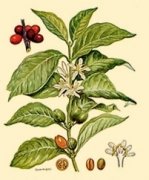
There are more than 60 species of coffee plants in the world, only 25 species are cultivated for coffee production, of which only 4 species are used as commercial coffee: Coffee liberica, Coffee canephora, Coffee arabica and Coffee deweverei, which are botanical scientific names. Coffee in the world today.

What are the varieties of Arabica coffee beans? What are the derivative types and characteristics of Arabica coffee beans?
Professional coffee knowledge exchange more coffee bean information please follow the coffee workshop (Wechat official account cafe_style) what are the varieties of Arabica coffee beans? What are the derivative types and characteristics of Arabica coffee beans? From the point of view of appearance, Arabica bean is long and flat, the central line is S-curve, Robbosa bean is strong, the shape is more round, and the central line is closer to a straight line.
A family of coffee beans
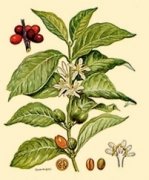
There are about 60 species of coffee in the world, of which only 25 species are cultivated to make coffee, of which only 4 species are used as commercial coffee: large fruit coffee (Coffea liberica), medium fruit coffee (Coffea canephora), small fruit coffee (Coffea arabica) and high yield coffee (Coffea dewevrei). These are botanical names. Coffee in the world at present
A family of coffee beans
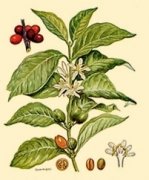
There are about 60 species of coffee in the world, of which only 25 species are cultivated to make coffee, of which only 4 species are used as commercial coffee: large fruit coffee (Coffea liberica), medium fruit coffee (Coffea canephora), small fruit coffee (Coffea arabica) and high yield coffee (Coffea dewevrei). These are botanical names. Coffee in the world at present

Is the coffee made from Arabica beans good? does Vietnam produce Arabica coffee beans?
Professional coffee knowledge exchange more coffee bean information Please pay attention to the coffee workshop (Wechat official account cafe_style) the determinants of a good cup of coffee, 70% comes from the internal quality of beans, while the quality of beans lies in the variety, good varieties grow and blossom and bear fruit in a suitable micro-climate environment, after appropriate post-processing (washing / sun / semi-washing / honey place) after harvest

The best coffee in the world
When tasting single-origin coffee, you will see some information about the variety in addition to the country of origin, production area and geographical and climatic conditions. Arabica, Robosta, Bourbon, etc. For coffee flavor, of course, the difference in the production area is relatively large. Variety differences become interesting when discussing the variety of beans produced in the same region.
Introduction of Coffee Encyclopedia Coffee
The kind of coffee [preface]: when tasting individual coffee, you will see some information about the variety in addition to the producing country, producing area, geographical and climatic conditions. Such as Arabica, Robusta, Bourbon and so on. As far as the flavor of coffee is concerned, the difference in producing areas certainly has a greater impact on the flavor of coffee. When it comes to different varieties of beans produced in the same place, the differences between varieties change.

How do you pretend to drink coffee often when you drink coffee for the first time?
Don't drink coffee if you don't understand these six things. Light Roast) vs deep roasting (Dark Roast) according to the American classification, the roasting of coffee beans can be divided into eight stages from shallow to deep. The taste of coffee mainly depends on the baking degree. Generally, the deeper the roasting degree, the stronger the bitter taste, and the lower the roasting degree, the higher the sour taste. The depth of baking mainly depends on the characteristics and personal preference of raw beans.

The characteristics of Yunnan Tibica / Tieka how to drink Dibica coffee with bean flavor?
Professional coffee knowledge exchange more coffee bean information please follow the coffee workshop (Wechat official account cafe_style) Coffee is suitable for growing in subtropical and tropical areas, with the equator as the center and 25 degrees north and south latitude ring area. The growth of coffee is mainly distributed in five regions, and the flavor and taste characteristics of coffee beans are different in different regions. The coffee grown in different regions is
Basic knowledge about coffee trees
Breed of coffee: When you taste single-origin coffee, you will see some information about the variety in addition to the country of origin, production area and geographical and climatic conditions. Arabica, Robosta, Bourbon, etc. For coffee flavor, of course, the difference in the production area is relatively large. When it comes to different varieties of beans produced in the same locality, the differences between varieties change.

Boutique Coffee Analysis of Coffee beans
There are about 60 species of coffee in the world, of which only 25 species are cultivated to make coffee, of which only 4 species are used as commercial coffee: large fruit coffee (Coffea liberica), medium fruit coffee (Coffea canephora), small fruit coffee (Coffea arabica) and high yield coffee (Coffea dewevrei). These are botanical names. Coffee in the world at present

Don't drink coffee if you don't understand these six things.
Many people seem to be addicted to coffee and are willing to spend a lot of time in long queues in famous coffee chains, but do you really know anything about coffee? I'm too embarrassed to ask the clerk some basic questions about coffee. Let's popularize the six things you need to know about coffee and improve your coffee taste in three minutes. If you don't understand these six things, don't drink coffee. Light.

Some common nouns explain the basics of coffee.
[foreword]: when tasting individual coffee, you will see some information about the varieties in addition to the producing country, producing area, geographical and climatic conditions. Such as Arabica, Robusta, Bourbon and so on. As far as the flavor of coffee is concerned, the difference in producing areas certainly has a greater impact on the flavor of coffee. When it comes to different varieties of beans produced in the same place, the differences between varieties become intentional.

Coffee 36 what's the taste of coriander in the bottle?
What is the taste of coriander in the coffee 36 smell bottle? 1 Land: land, flavor type (Aroma group) land, aroma characteristics (Aromatic features of the sample) this is the smell of freshly excavated soil after heavy rain, like beetroot. The earth is everywhere. The English geosmine of Geqi comes from the Greek geo=, taste = osme. The power of the earth, even if

Coffee beans are divided into several types of taste.
. Caffee Latte vs Ole Coffee (Cafe au Lait) simply put, lattes are made of Espresso and steamed milk, while Ole coffee is made of dripping coffee and steamed milk. .Espresso or Expresso? If the above 5 points are not clear for the time being, remember to pronounce them correctly first! Espresso is Italian, which means under pressure.
On the Origin, Culture and Communication of the History of Coffee
Coffee tree, is a tropical plant, is an evergreen shrub, growing in the equator, latitude 25 degrees north and south, that is, within the Tropic of Cancer. The Tropic of Cancer and near the equator are the world coffee growing belts. The growth conditions require abundant rainfall and humid climate. The suitable altitude is about 600 to 1500 meters, and the annual rainfall is 1500 to 2000 millimeters. Mild days alternate with cool nights.
A brief introduction to the basic knowledge of Coffee beans
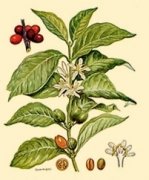
There are about 60 species of coffee in the world, of which only 25 species are cultivated to make coffee, of which only 4 species are used as commercial coffee: large fruit coffee (Coffea liberica), medium fruit coffee (Coffea canephora), small fruit coffee (Coffea arabica) and high yield coffee (Coffea dewevrei). These are botanical names. Coffee in the world at present